Making your first batch of wine at home is an exciting adventure! It’s easier than you think, and you don’t need to be a winemaking expert to get started. Just grab a few basic supplies and let’s dive in!
First, gather your ingredients. You’ll need:
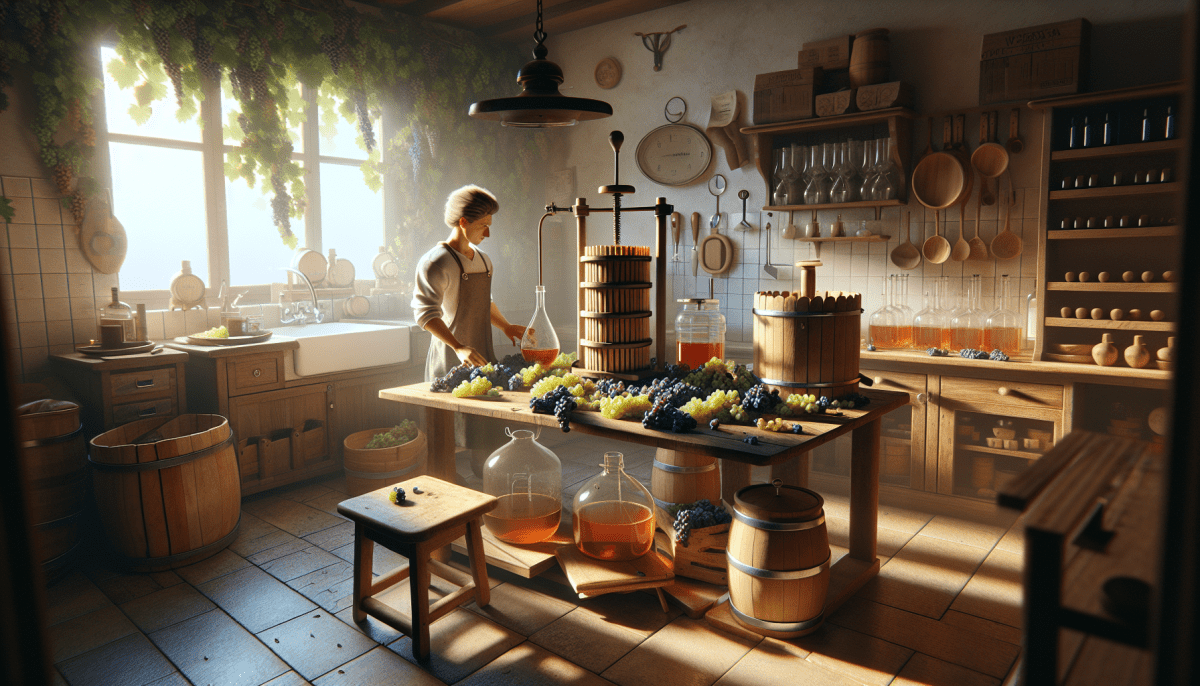
Next, it's time to get crushing! If you’re using grapes, squish them to release the juice. If you’re using juice, pour it into your fermenter. Add the yeast and any sugar. Give it a good stir! Seal your fermenter with an airlock to keep those pesky bugs out while still letting your wine breathe.
Let your mixture ferment for about a week. You'll notice bubbling; that means it’s working! After about a week, check the taste. If it’s good to go, it’s time to bottle. Make sure everything is clean to avoid any funky flavors. Transfer your wine into bottles, cork them up, and store them in a cool, dark place.
After a few weeks of patience, you can enjoy your homemade wine. It’s a rewarding process that’s perfect for sharing with friends. So grab your supplies, have fun with it, and toast to your new winemaking skills!
Gather Your Equipment and Ingredients
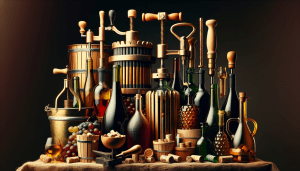
Here’s a simple list to help you out:
Now let’s talk ingredients. Start with some fresh fruit, like grapes, berries, or apples. They give your wine its unique flavor. If you want something easier, consider wine kits that come with everything you need, including juice and additives.
Don’t forget the sugar and yeast! The sugar helps fermentation while the yeast turns that sugar into alcohol. You’ll find wine yeast specifically designed for making wine—definitely a good buy! With your equipment and ingredients in place, you’re all set to create your own delicious wine at home.
Step by Step Wine Making Guide
Making your own wine at home can be a fun and rewarding experience. It might seem complicated, but I promise it’s not as daunting as it sounds. Let’s break it down step by step!
First, gather your supplies. You’ll need fresh grapes (or juice), a fermentation container, a hydrometer, airlock, bottles, and some basic sanitation supplies. Clean everything thoroughly to avoid any funky flavors. You want your wine to taste great, so don’t skip this step!
Next, if you’re using whole grapes, crush them in your fermentation container. This helps release the juice. If you’re using juice, you can skip right to the fun part. Add sugar if you want to boost sweetness. Check the specific gravity with a hydrometer—this helps you control the sweetness and alcohol level.
After that, add yeast to jumpstart the fermentation process. Seal up your container with the airlock in place. This allows gases to escape while keeping bad stuff out. Give it some time—about a week or two—while the magic happens. You’ll know it’s ready when bubbling slows down.
Finally, it’s time to bottle! Siphon the wine into clean bottles, leaving a little space at the top. Seal them tightly and store them in a cool, dark place. Let your wine age for at least a month. Patience is key but trust me, it’ll be worth it when you finally get to sip on your homemade creation!
Tips for Perfecting Your Home Wine
Making your own wine at home can be a rewarding experience, but getting it just right takes a little know-how. Here are some handy tips to help you create a delicious bottle that friends and family will love.
First, choose the right grapes. You want to pick grapes that are ripe and suited for the kind of wine you want to make. Local vineyards or farmer's markets often have great options. If you're not sure, research which grapes work best in your area. Or, if you're feeling adventurous, experiment with different types.
Next, hygiene is key to great wine. Clean everything! This means all your equipment like fermenters, bottles, and any tools you're using. You want to avoid any unwanted bacteria ruining your hard work. A simple vinegar-and-water mix is great for sanitizing your gear.
Pay attention to temperature during fermentation. The ideal range varies depending on the type of wine, but generally, keep it between 60°F to 75°F. Too hot and you risk unpleasant flavors; too cold and the fermentation might slow down. Don't forget to taste regularly to see how it develops!
Finally, patience is your best friend. Good wine takes time. Once your wine is bottled, let it age. This can make a huge difference in flavor. Try tasting a bottle at different intervals to see how it matures. You might just find the perfect sweet spot.